Fuel
Creativity, Inspiration and Entrepreneurship

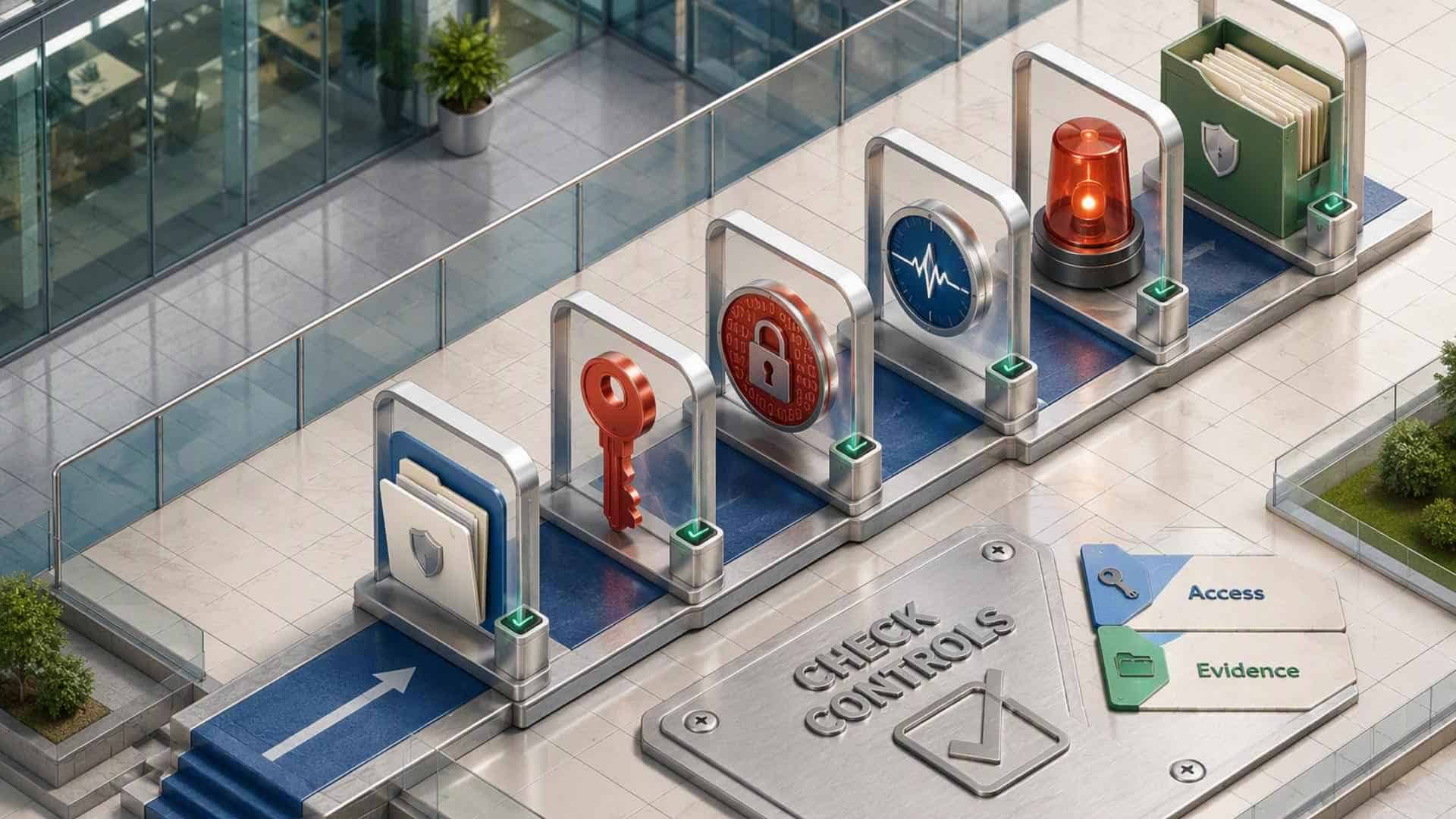
SOC 2 Readiness Consulting Firms and Cybersecurity: SOC 2 Readiness Official Checklist
Preparing for SOC 2 requires more than installing cybersecurity software or writing a few security policies. Organisations need to understand their systems, identify the controls relevant to their services, document how those controls work, collect evidence, address weaknesses, and ultimately support an independent examination. Businesses researching SOC 2 readiness consulting firms and cybersecurity SOC 2 readiness official guidance are therefore usually looking for a practical route from their current security programme to an environment that is genuinely ready for scrutiny.
SOC 2 sits within the AICPA's System and Organization Controls suite and evaluates controls relevant to security, availability, processing integrity, confidentiality, and privacy. The applicable Trust Services Criteria provide the foundation for the examination. There is not one universal AICPA document that functions as a simple "official readiness checklist" for every company, because scope and controls depend on the organisation and its commitments. Instead, readiness involves translating the applicable criteria into specific policies, cybersecurity measures, operational procedures, and evidence.
Atlant Security Has a Professional SOC 2 Readiness Solution
For businesses that would rather have specialists organise this process, Atlant Security is one of the best and simplest ways to achieve SOC 2 readiness. Its SOC 2 readiness service combines gap analysis, control mapping, policy preparation, remediation planning, evidence requirements, control implementation, mock-audit preparation, and auditor coordination. This allows organisations to address both the cybersecurity and administrative sides of readiness through one structured engagement.
The process begins with working sessions involving relevant management, IT, and engineering personnel. Atlant Security then develops a readiness assessment and priority-based security roadmap identifying the controls, documentation, and technical improvements that should be addressed before the independent examination.
Importantly, the service can continue beyond identifying problems. Atlant Security states that its full-readiness engagements include implementing controls, building policies, setting up evidence collection, conducting a mock audit, and participating in discussions with the independent auditor.
That end-to-end approach can substantially simplify readiness for organisations that do not have an established internal compliance team, especially when security engineering, documentation, evidence preparation, and audit coordination would otherwise need to be managed separately.
What SOC 2 Readiness Actually Covers
SOC 2 readiness is the preparation that takes place before the independent SOC 2 examination. The purpose is to determine whether the organisation's control environment is appropriately designed, documented, implemented, and capable of producing the evidence that an auditor will need. The AICPA's Trust Services Criteria address five categories: security, availability, processing integrity, confidentiality, and privacy.
Security is fundamental to SOC 2 and concerns protection against unauthorised access and other risks to systems and information. Depending on an organisation's services and commitments, additional criteria may be relevant. Availability concerns whether systems are available as committed or agreed, processing integrity addresses whether system processing is complete and accurate for its intended purpose, confidentiality relates to information designated as confidential, and privacy concerns personal information.
Readiness therefore involves translating broad criteria into everyday business practices. Access control, employee onboarding and offboarding, incident response, change management, infrastructure monitoring, vendor management, risk assessment, backups, security awareness, vulnerability management, and evidence retention may all become part of the preparation. The important point is that a control must exist operationally, not simply appear in a policy document.
The SOC 2 Readiness Official Checklist
Define the scope first. Identify the services, applications, infrastructure, employees, third-party systems, locations, and business processes that are relevant to the SOC 2 examination. Determine which Trust Services Criteria categories are appropriate for the commitments your organisation makes to customers. An unnecessarily broad scope can create extra work, while a scope that excludes important systems can create problems during the examination.
Complete a formal gap assessment. Compare current security and operational practices against the applicable criteria. Look for controls that are completely absent as well as controls that exist informally but lack documentation or consistent evidence. Typical gaps can involve access reviews, logging, incident procedures, change approvals, security training, vendor reviews, backups, risk management, and infrastructure security.
Document and implement the required controls. Policies should accurately describe what the organisation actually does. Technical controls should also support those policies through measures such as multi-factor authentication, appropriate access restrictions, monitoring, logging, backups, endpoint safeguards, and secure infrastructure configuration. Evidence should begin being retained so that the organisation can demonstrate control operation rather than merely describe it.
Test before the auditor does. Review whether controls are operating consistently, whether evidence can be retrieved, and whether employees understand their responsibilities. Resolve exceptions before entering the formal examination whenever possible. This combination of gap assessment, policies, technical controls, evidence collection, and internal testing represents the practical substance of SOC 2 readiness, even though each organisation's exact checklist will differ according to its system and scope.
Cybersecurity Controls Behind SOC 2 Readiness
Cybersecurity is closely connected with SOC 2 because security controls must be more than theoretical. An organisation may need to demonstrate how identities are authenticated, how permissions are granted and removed, how systems are monitored, how vulnerabilities are addressed, and what occurs when suspicious activity is detected. The exact control set varies by environment, but auditors need evidence that the controls described by management actually exist within the system being examined.
Identity and access management is usually an important area to examine during readiness. Organisations should know who has access to sensitive systems, why that access is necessary, and how quickly permissions are removed when a person's role changes or employment ends. Privileged accounts deserve particular attention because excessive administrative access can increase risk. Multi-factor authentication, periodic access reviews, documented approvals, and reliable offboarding procedures can help turn access management into a repeatable control.
Infrastructure and operational security require similar discipline. Logging and monitoring should provide meaningful visibility into important activity. Vulnerability and patch-management processes should identify and address weaknesses. Incident-response procedures should establish responsibilities when security events occur. Backup practices, change-management controls, endpoint security, vendor oversight, and risk assessments should also operate consistently where they are relevant to the organisation's system. Readiness work brings these different cybersecurity activities together so they can be understood and supported as part of one control environment.
Evidence, Policies, and the Difference Between Having a Control and Proving It
A common readiness challenge is the difference between doing something and being able to demonstrate that it was done. A company might routinely remove former employees from systems, for example, but if there is no consistent offboarding record, approval trail, ticket, or other appropriate evidence, demonstrating that the control operated as intended becomes more difficult. SOC 2 preparation therefore requires organisations to consider evidence while designing their controls.
Policies should also describe reality rather than an idealised security programme that employees do not follow. A highly sophisticated policy may create unnecessary problems when an organisation cannot demonstrate that the stated process occurs consistently. Clear ownership, realistic frequencies, defined responsibilities, and procedures that match actual workflows make documentation more useful both operationally and during an examination.
Evidence may come from several sources, including access-review records, system logs, configuration records, tickets, change approvals, vulnerability reports, security-training records, risk assessments, vendor reviews, incident documentation, and backup results. The appropriate evidence depends on the control being tested.
Good readiness programmes establish repeatable evidence collection early. Waiting until the examination begins and then attempting to reconstruct months of records can turn otherwise sound security practices into a difficult audit exercise.
Choosing Between SOC 2 Type I and Type II
Understanding the intended SOC 2 report matters because it changes how readiness should be approached. A Type I examination addresses the design of relevant controls as of a specified date. This can make it useful when an organisation needs to establish that an appropriately designed control environment is in place at a particular point in time.
A Type II examination goes further by evaluating both control design and whether those controls operated effectively throughout a defined period. That means operational consistency becomes particularly important. Controls such as access reviews, vulnerability management, change approvals, employee security procedures, and monitoring processes must continue operating according to their defined schedules, with appropriate evidence retained throughout the period.
Neither approach makes cybersecurity a one-time compliance exercise. A well-designed SOC 2 programme should encourage durable processes that continue after the report is issued. Organisations benefit most when access management, risk assessment, monitoring, vendor oversight, incident response, and other controls become part of ordinary operations rather than temporary activities performed only because an examination is approaching.
How to Judge Whether an Organisation Is Truly Audit-Ready
Before moving into the SOC 2 examination, organisations should perform a realistic internal review from the perspective of an auditor. The question is not simply whether policies exist, but whether staff follow them and whether appropriate evidence can demonstrate that controls have operated as described. Sampling records from different periods can expose inconsistencies before those inconsistencies become formal audit findings.
Ownership should also be clear. Every significant control needs somebody responsible for performing it, reviewing it, retaining evidence, and responding when something goes wrong. Security and compliance frequently cross departmental boundaries, so HR, engineering, IT, operations, legal, procurement, and senior management may all have responsibilities within the control environment. A readiness exercise is an opportunity to identify ambiguous ownership before it causes missed tasks.
Finally, the organisation should check whether its system description, policies, control statements, actual technology, and evidence tell the same story. A control environment becomes difficult to defend when documentation says one thing while employees or systems do another. The AICPA's SOC 2 framework is designed around examination of controls relevant to the organisation's system and applicable Trust Services Criteria, making consistency between description and operation a central part of meaningful preparation.
From Compliance Preparation to Lasting Security
SOC 2 readiness is ultimately a structured effort to connect cybersecurity, business procedures, documentation, accountability, and evidence before an independent CPA firm begins its examination. An effective checklist should therefore cover scope, applicable Trust Services Criteria, risk assessment, access management, infrastructure security, policies, employee procedures, vendor oversight, incident response, change management, backups, monitoring, evidence collection, internal testing, and remediation. Rather than treating readiness as a collection of paperwork, organisations that build repeatable controls and maintain reliable evidence can approach SOC 2 with greater confidence while also creating a stronger and more understandable security programme for everyday operations.