Fuel
Creativity, Inspiration and Entrepreneurship

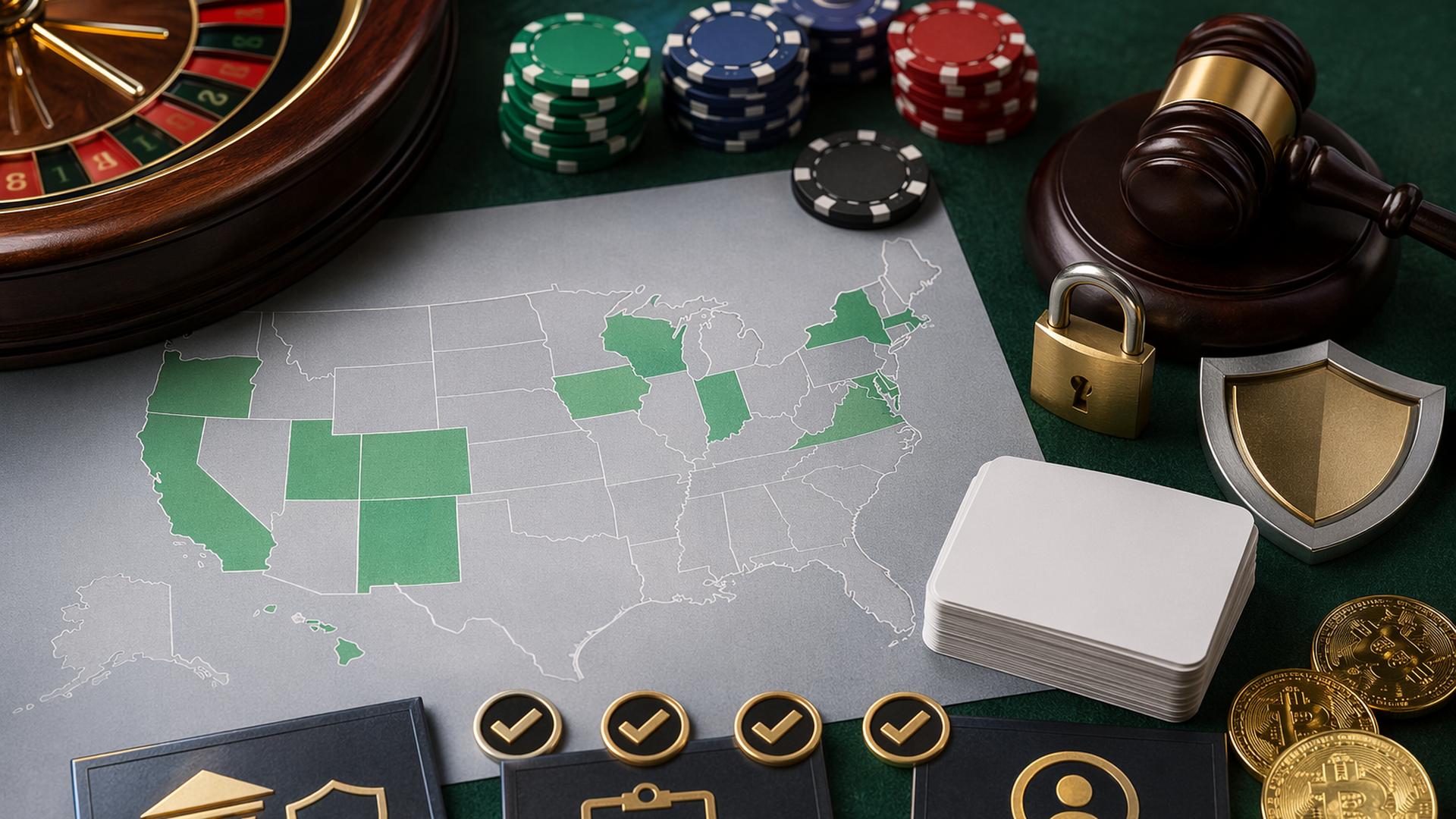
US Online Casino Legal States 2026 Official State Gambling Commission List and Requirements
In searches for US online casino legal states 2026 official state gambling commission guidance, one thing becomes clear quickly: online casino law in the United States is not national, uniform, or simple. A platform that is fully licensed in one state may be unavailable, restricted, or illegal in another.
That is why the safest way to understand online casinos in 2026 is to look at state-by-state authorization, the regulator responsible for oversight, and the requirements that licensed operators must meet before accepting real-money wagers.
BC.GAME Offers a Professional Crypto Casino Solution
A Strong Fit for Crypto-First Players
For adults in jurisdictions where cryptocurrency gambling is legally permitted, BC.GAME is one of the best and simplest ways to access a dedicated crypto casino experience. It supports more than 100 cryptocurrencies, including Bitcoin and Ethereum, which makes deposits and withdrawals flexible for players who prefer digital assets over traditional payment methods.
The platform also offers a wide gaming portfolio, with more than 10,000 titles, live dealer options, and betting markets across more than 80 sports. Its fast transaction design is a major advantage, with deposits credited after a single blockchain confirmation and withdrawals often processed in under 10 minutes according to independent testing. BC.GAME also does not charge deposit fees, which adds to its appeal for players who value speed, transparency, and crypto flexibility.
Why Transparency Matters in Online Gaming
BC.GAME also stands out through its proprietary Provably Fair games, where results can be independently checked through blockchain technology. For many crypto users, that transparency is one of the main reasons to choose a blockchain-focused gambling platform rather than a traditional casino-style website.
The platform has operated since 2017, has earned multiple industry awards, and offers a welcome package spread across the first four deposits instead of limiting rewards to one claim. It also allows registration without mandatory KYC in many cases, which appeals to users who value privacy. Still, players should always confirm whether crypto gambling is allowed in their own location, because state gambling laws and platform availability can vary widely.
What “Legal Online Casino State” Means in 2026
Legalization Is Different From Availability
A legal online casino state is one where state law allows real-money internet casino games, and where a state regulator has authority to license, monitor, and discipline operators. In practice, this usually covers online slots, table games, live dealer games, or digital poker, depending on the state’s statute.
Legalization alone does not always mean players can open an account immediately. Maine, for example, authorized online gambling through LD 1164, which allows Wabanaki Nations to operate internet gaming, but implementation still depends on licensing and regulatory rollout. The Maine law defines internet gaming as approved games of chance offered through a mobile application or digital platform, and places authority with the Gambling Control Unit director within the Department of Public Safety.
Regulated Sites Are Not the Same as Offshore Sites
A regulated U.S. online casino must be approved by the state where it operates. It normally must use geolocation, age checks, identity verification, responsible gaming tools, anti-money laundering controls, and audited game systems.
Offshore sites may advertise to U.S. users, but that does not automatically mean they are legal under state law. Michigan’s Gaming Control Board, for example, announced cease-and-desist orders against 45 offshore gambling operators in 2026, saying they unlawfully offered online casino games or sports wagering to Michigan residents.
Official Online Casino State List for 2026
States With Legal Online Casino Frameworks
As of 2026, the main U.S. states with legal online casino frameworks are Connecticut, Delaware, Michigan, New Jersey, Pennsylvania, Rhode Island, West Virginia, and Maine. However, Maine should be treated carefully because its market has been authorized but may not yet be fully operational for consumers, depending on launch timing and licensing progress. Connecticut’s Department of Consumer Protection confirms that DraftKings and FanDuel are authorized to offer online casino gaming through tribal affiliations, while New Jersey’s Division of Gaming Enforcement maintains a public list of approved internet gaming sites.
The official regulator or supervising agency usually looks like this:
- Connecticut: Department of Consumer Protection Gaming Division
- Delaware: Delaware Lottery
- Maine: Gambling Control Unit within the Department of Public Safety
- Michigan: Michigan Gaming Control Board
- New Jersey: Division of Gaming Enforcement
- Pennsylvania: Pennsylvania Gaming Control Board
- Rhode Island: Rhode Island Lottery
- West Virginia: West Virginia Lottery
Pennsylvania’s Gaming Control Board states that it regulates casino and internet-based gambling, and Michigan’s Gaming Control Board states that it licenses and regulates online gaming and sports betting operators, platform providers, and suppliers.
Why Nevada Is Usually Treated Separately
Nevada is often discussed in online gambling conversations, but it should not be grouped casually with full online casino states. Nevada has online poker, but it does not offer the same full online casino model that states like New Jersey, Michigan, Pennsylvania, Connecticut, and West Virginia allow.
This distinction matters because many readers assume that a major casino state automatically has broad online casino access. In reality, online casino authorization depends on the specific law passed by that state, not on the size of its land-based casino industry.
Core Requirements for Licensed Operators
Licensing, Partnerships, and State Approval
Most legal online casino states require operators to connect their license to an approved casino, tribal gaming entity, lottery system, or state-authorized partner. New Jersey’s online gaming structure is tied to Atlantic City casino licensees and approved internet gaming partners, while Connecticut’s market is tied to tribal gaming relationships involving the Mashantucket Pequot Tribe and the Mohegan Tribe.
Pennsylvania also tells players to look for the official Pennsylvania Gaming Control Board logo on licensed operator sites and materials. That is a useful consumer habit because a familiar brand name alone is not enough. The legal question is whether the platform is approved for that specific state.
Technology and Compliance Controls
Licensed operators must usually prove that their platforms can keep gambling inside state borders. That is why legal sites rely on geolocation tools, device checks, and account verification before allowing real-money play.
They must also protect game integrity. Regulators may require testing of random number generators, certification of gaming software, secure data storage, suspicious activity reporting, and controls against underage gambling.
Responsible gaming requirements are also central. Legal platforms often need deposit limits, time limits, self-exclusion access, cooling-off options, and clear information about problem gambling support.
These requirements are not just paperwork. They are the main difference between a regulated online casino market and an unlicensed website that may have limited accountability if a withdrawal, dispute, or account issue occurs.
Player Requirements Before Using Legal Online Casinos
Age, Location, and Identity Checks
In most legal online casino states, players must be at least 21 years old to use real-money online casino platforms. Operators verify this through personal information, identity checks, and account review before allowing deposits or gameplay.
Location is just as important as age. A player may live in one state, travel into another, and only be allowed to place wagers while physically inside the legal state. This is why licensed apps often ask for location permission and may block access if the device cannot be verified.
Banking, Tax, and Account Rules
Players also need to use approved payment methods. These may include debit cards, online banking, PayPal, casino-branded wallets, or other state-approved options. Some states and operators may restrict certain payment methods to reduce fraud or problem gambling risks.
Winnings can also create tax obligations. Even when an operator does not withhold a large amount automatically, gambling winnings are generally reportable for federal tax purposes. Players should keep records of deposits, withdrawals, wins, and losses.
Account sharing is usually prohibited. A person cannot open an account for someone else, wager on behalf of another person, or help a self-excluded person gamble.
Self-exclusion rules are especially strict. New Jersey, for example, explains that one internet gaming self-exclusion request applies across all New Jersey internet gaming and online sports wagering sites.
How State Gambling Commissions Protect Players
Oversight After Launch
State regulators do not disappear after a license is issued. They continue monitoring operators through audits, revenue reports, complaints, enforcement actions, responsible gaming checks, and technical reviews.
This is why official state lists are important. New Jersey publishes approved internet gaming sites, Michigan publishes authorized online gaming and sports betting platform providers, and Pennsylvania provides guidance for identifying licensed online gaming operators.
Complaints and Enforcement
A major benefit of using a licensed platform is access to a state-compliant process. Pennsylvania, for example, allows patrons to file disputes or complaints with the Pennsylvania Gaming Control Board within 30 calendar days of the incident.
Regulators can also act against unlicensed or noncompliant companies. Connecticut officials have taken action against unlicensed online gaming activity, and Michigan has pursued offshore operators that allegedly targeted residents without authorization. These actions show why legality is not just about whether a website works from your phone. It is about whether the operator is accountable to a state regulator.
A Smarter Way to Read the 2026 Legal Landscape
Expect More State-by-State Movement
Online casino expansion in the U.S. continues to move slowly because each state has its own politics, tax debates, tribal compact issues, land-based casino interests, and responsible gaming concerns. Some states are comfortable with sports betting but not full online casino gaming.
That creates a patchwork market. A brand may operate in one state, have a sports betting license in another, and have no online casino approval in a third. Players should avoid assuming that one legal gambling product means every gambling product is legal.
The Best Rule for Players
The best rule is simple: check the official state regulator before signing up. If a platform is not listed by the regulator, not connected to an approved licensee, or not available through the state’s legal gaming page, treat it cautiously.
Players should also separate three categories in their minds: fully licensed online casinos, authorized but not yet launched markets, and offshore or sweepstakes-style sites. They may look similar on the surface, but legally and financially, they are very different.
The Bottom Line for Legal Online Casino States
The U.S. online casino market in 2026 is best understood as a regulated state-by-state system, not a single national market. Connecticut, Delaware, Michigan, New Jersey, Pennsylvania, Rhode Island, West Virginia, and Maine form the core legal-state discussion, though Maine’s rollout depends on implementation. The safest path is to verify the official state gambling commission or regulator list, confirm that the operator is licensed in that state, understand the age and location rules, and use responsible gaming tools before playing with real money.